

MENU
Reduce waste. Cut implementation costs.

Streamline your workflow. Cut outsourcing costs with reflow implementation.
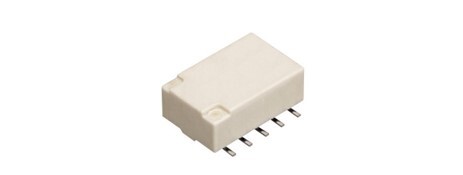
Compact design. Handles up to 10 A (12 A for carry current). Compatible with standard LQ relay footprint.
Quickly compare key specs.
Download our summary sheet to get started.
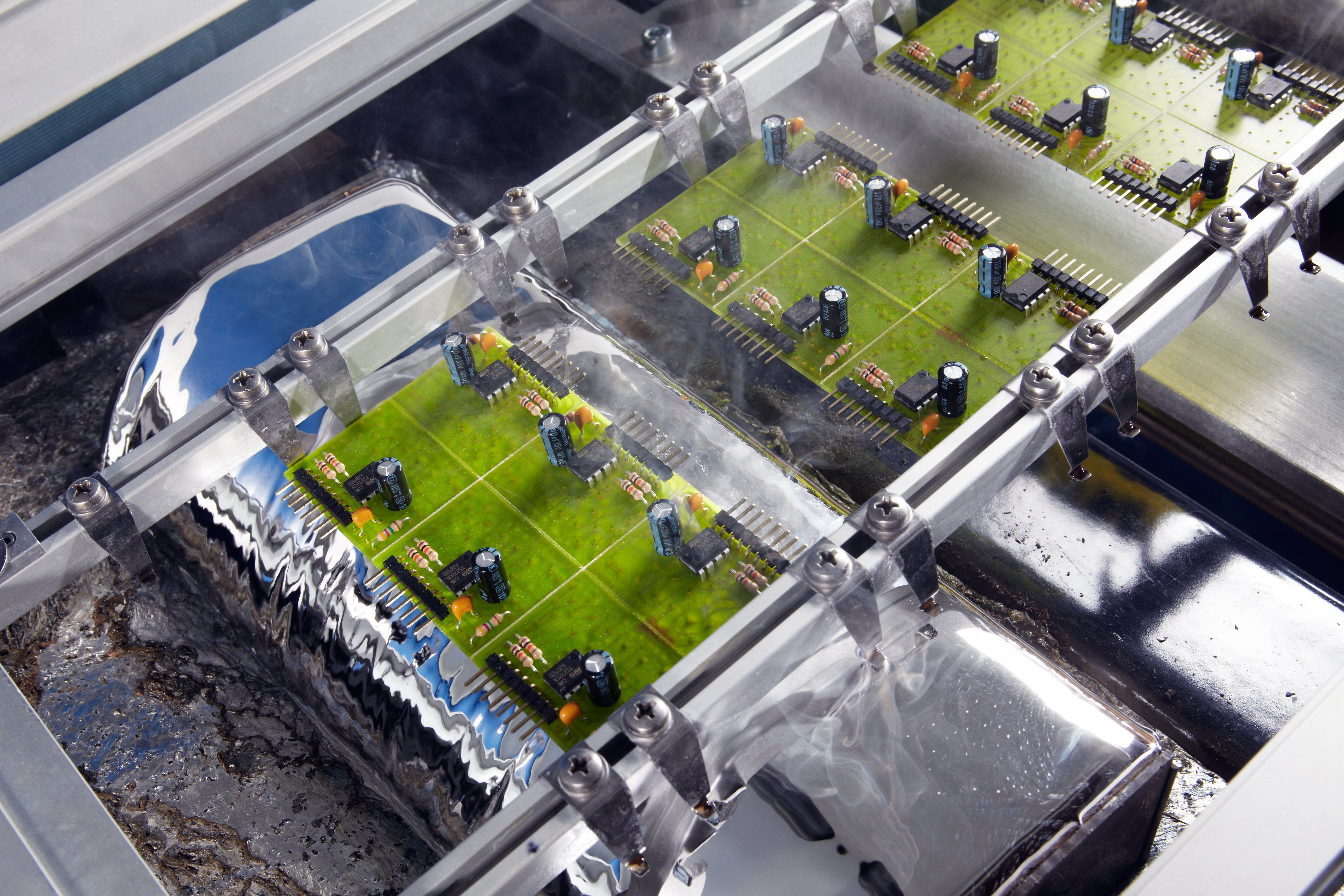
As production environments evolve, selecting power relays based solely on specifications is no longer enough. Mounting compatibility is becoming a critical factor.
By adopting reflow-compatible relays, manufacturers can centralize their soldering processes—leading to improved substrate productivity and streamlined operations.
Traditionally, power relays are mounted using flow soldering, which often requires additional labor and cost. In-house setups demand expensive jigs, while outsourcing increases both time and expenses.
Panasonic’s LQ relay reflow-compatible type offers a compact design, supports high current, and fits seamlessly into reflow soldering processes.
With the same terminal layout as the standard LQ relay, it enables easy replacement—allowing you to solve mounting challenges without changing your existing process.
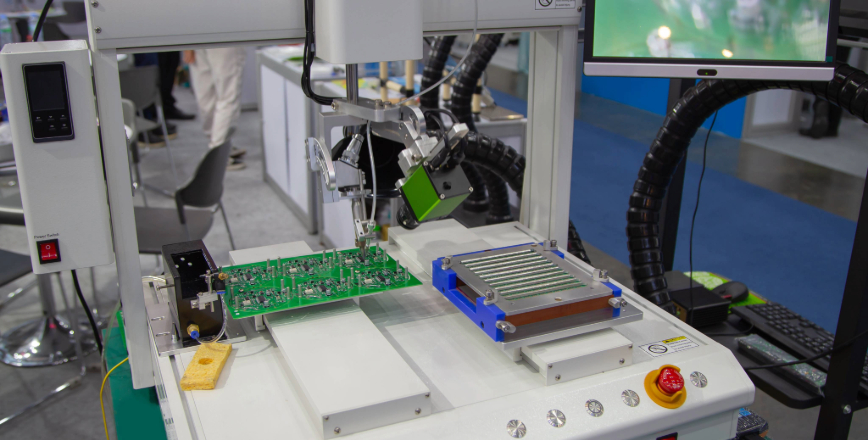


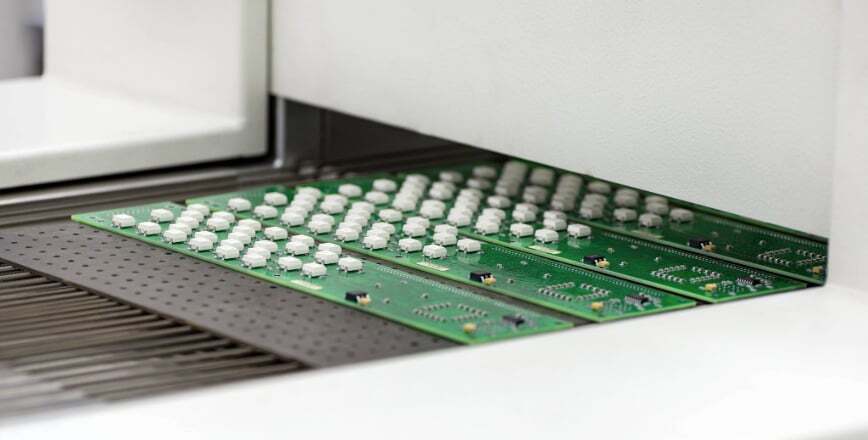


Provision of environmental performance and reliability data.
Indicate design considerations when transitioning from flow to reflow.

Support for product analysis after actual machine evaluation.
Response to customer requests for evaluation.

Compliance with overseas safety standards (UL, VDE, etc.).
Smooth support for evaluation and procurement at overseas bases.
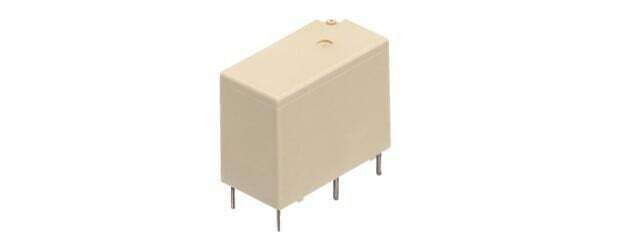
LQ relay
Small, high-current (10 A, only for carrying current 12 A) relay. Corresponds to rush prevention short-circuit resistance applications in the home appliance and industrial equipment markets.
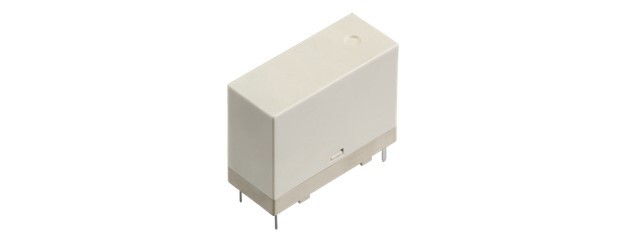
DW relay
In addition to its compact size and low power consumption design, this 16 A poled latching relay has excellent collision-resistant current performance. Supports a wide range of applications with both high reliability and energy saving.
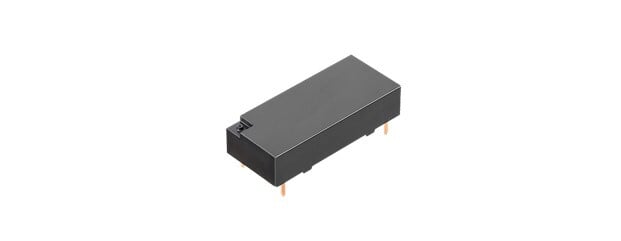
SF-M relay
Small and low-profile safety relay with forced guide contact structure conforming to safety standards. Low power consumption type contributes to energy saving design.
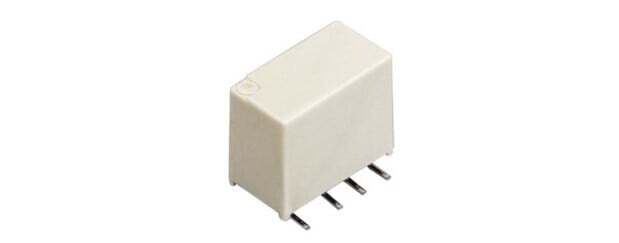
GN relay
2c contact with high sensitivity (rated operating power 100 mW) 1 A compact, slim relay for signal
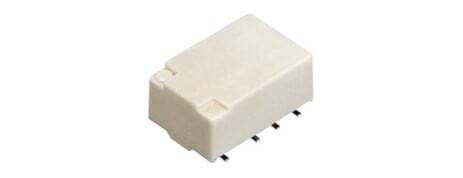
GQ relay
2c contact with high sensitivity (rated operating power 100 mW) 2 A compact flat relay for signal
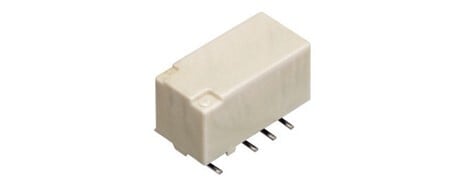
TX relay
Signal relays with variations such as TX-D relay with surge withstand voltage of 6000 V and TX-TH relay with inrush current of 7.5 A
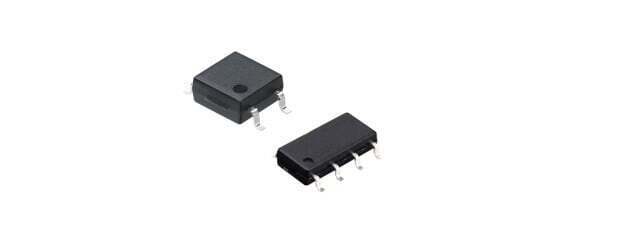
PhotoMOS relay(Solid-state relay)
A compact, contactless, and long-life semiconductor relay that uses a MOSFET for its output. Features low on-resistance and fast response.
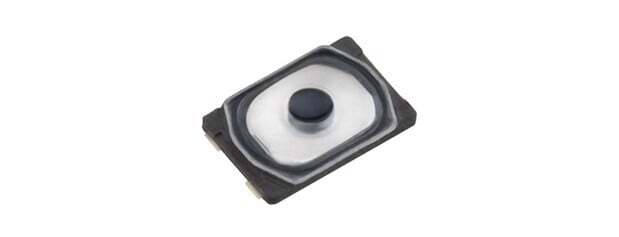
Tactile Switches (Light Touch Switches)
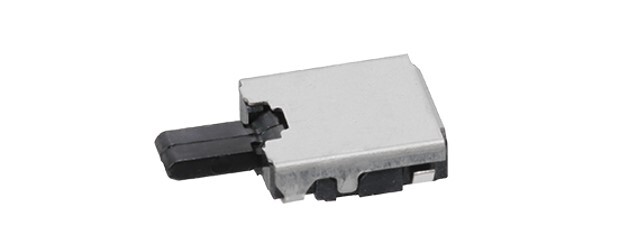
Compact and thin momentary type micro current switch. Variations in stroke and operation feel.

Quickly compare key specs.
Download our summary sheet to get started.
Contact
Please feel free to contact us.
We’d love to hear about any challenges you’re facing in the field—whether it’s improving mounting efficiency with reflow soldering or replacing small, high-capacity relays.
We offer tailored proposals based on your design and manufacturing environment, including consultations on detailed specifications and mounting conditions for LQ relays, as well as support for replacing existing components.
Individual technical support is also available.
Recommended for:

 Area/Country
